Lodge vs Victoria
Both are excellent budget options with lifetime warranties and similar prices. The choice comes down to weight preference and surface texture. Let's break down the differences.
The Contenders
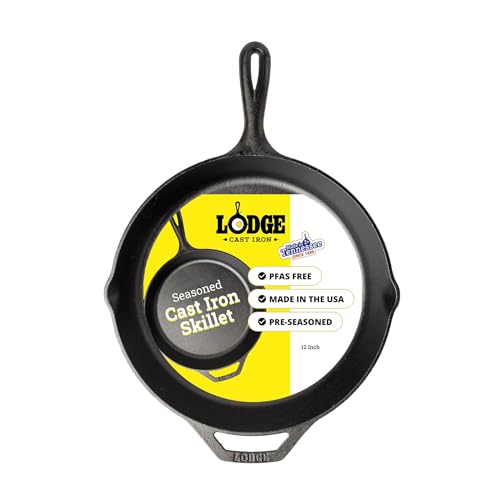
Lodge 12" Cast Iron Skillet
Cast Iron
USA
Lifetime
"Just get a Lodge" is the most common BIFL advice. The rough surface smooths out after a year of use. At 8 lbs it's heavy but indestructible. Heat retention and searing are identical to pans costing 10x more.
- Lifetime warranty
- Made in USA (Tennessee)
- Pre-seasoned and ready to use
- Identical cooking performance to premium pans
- Heavy at 8 lbs
- Rough surface initially (smooths with use)
- Handle can get hot

Victoria 12" Cast Iron Skillet
Cast Iron
Colombia
Lifetime
Better handle and pour spouts than Lodge at a similar price. The flaxseed oil seasoning is excellent. Often recommended for those who find Lodge too rough or too heavy.
- Lighter than Lodge (6.7 lbs vs 8 lbs)
- Better ergonomic handle
- Smoother cooking surface
- Excellent flax oil seasoning
- Made in Colombia (not USA)
- Less widely available
- Slightly more expensive than Lodge
Head-to-Head Comparison
| Factor | Lodge 12" Cast Iron Skillet | Victoria 12" Cast Iron Skillet | Winner |
|---|---|---|---|
| Weight | 8 lbs | 6.7 lbs | B |
| Surface Texture | Rough (pebbly) | Smoother | B |
| Handle Ergonomics | Standard | Better design | B |
| Factory Seasoning | Vegetable oil | Flaxseed oil | |
| Manufacturing | USA (Tennessee) | Colombia | A |
| Availability | Everywhere | Less common | A |
| Warranty | Lifetime | Lifetime | |
| Price | ~$30 | ~$35 | A |
Weight
Victoria is 16% lighter than Lodge, making it easier to handle for daily cooking and those with wrist concerns.
Surface Texture
Victoria has a smoother cooking surface out of the box. Lodge's rough texture smooths with use over 1-2 years.
Handle Ergonomics
Victoria's handle is widely praised for better ergonomics and comfort during use.
Factory Seasoning
Both come pre-seasoned. Victoria uses flaxseed oil which some prefer, though it can be more prone to flaking with high heat initially.
Manufacturing
Lodge supports American manufacturing. Victoria is made in Colombia with good quality control.
Availability
Lodge is available at nearly every retail store. Victoria is mainly found online or at specialty retailers.
Warranty
Both offer lifetime warranties. Lodge has a longer track record of honoring them.
Price
Lodge is typically $5 cheaper, though both represent excellent value.
The Verdict
Both are excellent budget options. Victoria is better if you prioritize weight and surface smoothness. Lodge is better if you prioritize USA manufacturing and availability.
Choose Lodge if you want USA-made, easy availability, and don't mind the heavier weight and rougher initial surface.
Choose Victoria if you want lighter weight, smoother surface, and better handle ergonomics.
You can't go wrong with either. Victoria edges ahead on handling, Lodge on heritage and availability.
Frequently Asked Questions
Is Victoria as good quality as Lodge?
Yes. Victoria has been making cast iron since 1939 and maintains excellent quality standards. The Colombian manufacturing doesn't compromise quality.
Will Lodge's rough surface ever get smooth?
Yes, with regular cooking (especially fatty foods like bacon), Lodge's pebbly surface smooths out over 1-2 years of use. Many BIFL enthusiasts prefer the broken-in Lodge to new premium pans.
Why is Victoria lighter?
Victoria uses thinner casting while maintaining structural integrity. The 1.3 lb difference is noticeable in daily handling without sacrificing durability or heat retention.
Which handles higher heat better?
Both handle any heat you can throw at them. However, flaxseed oil seasoning (Victoria) can initially flake at very high temperatures. This resolves as you build additional seasoning layers.